
For many of us across the UK, whether you’re catching a packed train into London, heading out on a long walk in the Lake District, or managing a busy school run in Manchester, staying fresh is part of daily life. But with more and more people reading the back of supermarket deodorant bottles and questioning what’s inside, a new trend is rising: the Homemade Deodorant Recipe. It’s simple, safe, and it works — all without harsh chemicals.
I discovered this recipe on a chilly but surprisingly sweaty spring day in Birmingham. I’d just finished a gentle hill walk when I noticed my usual deodorant had failed me yet again. Out of curiosity, I checked the label. Aluminium, parabens, synthetic fragrance — ingredients I’d never cook with, yet I was putting them under my arms every day. That’s when I decided to try making my own natural deodorant at home, using ingredients already in my kitchen cupboard.

The first batch of my Homemade Deodorant Recipe was a revelation. Made with coconut oil, bicarbonate of soda, and arrowroot powder, it was gentle on my skin but strong against odour. And the best part? It lasted all day — no stickiness, no white marks, no itching. From that moment, I was hooked. I’ve since fine-tuned the process, tested ingredients on sensitive skin, and even shared the method with friends and family across the UK — from Cornwall to Glasgow.
People love this Deodorant Recipe because it’s quick, budget-friendly, and completely customisable. Whether you’re sensitive to fragrance, vegan, zero-waste focused, or just trying to avoid aluminium-based products, this is a perfect natural alternative. It’s not just a replacement—it’s an upgrade. And with the UK becoming more focused on sustainable living, making your own deodorant is one small change that makes a big difference.
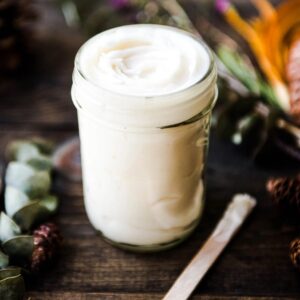
Homemade Deodorant Recipe – Quick At Home

Equipment
- Equipment You’ll Need
- Essential Equipment:
- Small saucepan / Double boiler
- Heat-safe mixing bowl
- Whisk or spoon
- Measuring spoons
- Silicone spatula
- Sterilised containers / jars
- Label and marker (optional)
- Optional Equipment:
- Digital kitchen scale
- Mini funnel or spatula set
- Thermometer
- Mini blender / hand whisk
Ingredients
- Ingredients Needed:
- Core Ingredients:
- Coconut oil 2 tbsp
- Baking soda 1 tbsp
- Arrowroot powder 1.5 tbsp
- Shea butter 2 tbsp
- Essential oil 8–10 drops
- Alternatives:
- Magnesium hydroxide → for baking soda
- Kaolin clay → for arrowroot/cornstarch
- Cocoa butter → for shea butter
- Jojoba/Almond oil → for coconut oil
- No essential oil → for unscented version
Instructions
- Step-by-Step Instructions – Deodorant Recipe (More Granular)
- This Deodorant Recipe uses a gentle heat method (double boiler) to preserve the nutrients in your oils and butters while still giving you a smooth, spreadable finish. These instructions work well in any UK kitchen — no fancy gadgets required.
- Step 1: Prepare Your Workspace
- Wash your hands and wipe down your counter with warm soapy water or a mild cleaner.
- Lay out all your ingredients and equipment on a clean towel.
- Make sure all your jars, containers, or tubes are clean, dry, and sterilised (you can pour boiling water in them, then let them dry fully).
- Pro Tip: This is important to prevent mold or bacteria in your homemade deodorant.
- Step 2: Set Up Your Double Boiler
- Fill a small saucepan with 2 inches of water.
- Place a heatproof glass or metal bowl on top so it rests snugly but doesn’t touch the water.
- Heat on medium-low until the water begins to simmer.
- Step 3: Melt Your Oils and Butters
- Add the following to your bowl:
- 2 tablespoons coconut oil
- 2 tablespoons shea butter
- Stir slowly with a spoon or silicone spatula as it melts. Don’t rush — keep heat low to avoid overheating.
- Pro Tip: Stir in one direction to keep the texture smooth. High heat can destroy the skin-nourishing vitamins in your butters.
- Step 4: Add the Powders
- Once fully melted and clear, remove the bowl from the heat.
- Quickly add:
- 1.5 tablespoons arrowroot powder
- 1 tablespoon bicarbonate of soda
- Stir until the powders are fully dissolved and no clumps remain.
- Pro Tip: If the mixture starts to thicken too fast, return to gentle heat for 20 seconds.
- Step 5: Add Essential Oils
- Once the mix has cooled for about 1 minute (not too hot), add:
- 8–10 drops of essential oil (e.g., lavender, tea tree, peppermint)
- Stir again to distribute the scent evenly.
- Pro Tip: Never add essential oils to hot mixtures directly from heat—heat can reduce their benefits.
- Step 6: Pour into Containers
- Carefully spoon or pour the mixture into your jars, tins, or twist-up tubes.
- Tap the containers gently on the counter to remove air bubbles and smooth the top.
- Step 7: Let It Set
- Leave the containers uncovered at room temperature (18–22°C) for about 30 minutes to firm up.
- Alternatively, place in the fridge for 15 minutes to speed up the process.
- Step 8: Label and Store
- Label each container with the date and scent.
- Store in a cool, dry place away from direct sunlight.
- Pro Tip: In warmer months, keep your natural deodorant in the fridge for firmness.
| Don’t miss our Turkey Chops Recipe – Quick Yet Divisive Comfort Food that cooks in minutes. |
Cost of 5, 10, 15, and 20 Servings – Deodorant Recipe
To calculate costs accurately, let’s base our math on the standard yield of the Deodorant Recipe, which produces roughly 100–120g per batch (enough for 1 person for 6–8 weeks). Below is the estimated per-serving cost, assuming standard UK ingredient prices and minimal waste.
Ingredient Cost Overview (UK Averages)
- Coconut Oil (500ml) – £3.00 / $3.80
- Shea Butter (250g) – £5.00 / $6.30
- Arrowroot Powder (250g) – £2.00 / $2.50
- Bicarbonate of Soda (200g) – £1.00 / $1.30
- Essential Oils (10ml) – £5.00 / $6.30 (You use only a few drops per batch)
Estimated cost to produce one full batch (100–120g):
- £1.50 – £1.80 per batch
- $1.90 – $2.30 per batch
Cost Breakdown by Batch Size – Deodorant Recipe
Note: 1 batch = 1 person for 6–8 weeks.
5 Servings (5 People)
- Total Cost: £7.50 – £9.00 / $9.50 – $11.50
- Per person: £1.50 – £1.80 / $1.90 – $2.30
10 Servings (10 People)
- Total Cost: £14.50 – £17.50 / $18.50 – $22.50
- Bulk discounts may apply when buying larger ingredient sizes
15 Servings (15 People)
- Total Cost: £21.50 – £26.00 / $27.50 – $33.00
- Economical for group prep, gifting, or resale
20 Servings (20 People)
- Total Cost: £28.00 – £34.00 / $35.50 – $43.00
- Lowest cost per unit when bought in bulk
Pro Tip: Purchasing in 1kg sizes of shea butter and coconut oil can cut costs nearly by half
| You may also like to read this: Slow Cooker Chicken Legs Recipes – Easy, Juicy & Worth the Wait |
Best Serving Methods – Deodorant Recipe + Pro Tips
Your natural deodorant is ready, smooth, and fully set. But how you store, apply, and even carry it makes a big difference in both effectiveness and user experience. The following methods will help you get the best out of every single batch of your Deodorant Recipe.
Serving + Storage Method 1: Glass Jar or Cosmetic Pot
- How to use: Take a pea-sized amount with clean fingers and rub it gently into your underarms.
- Ideal for: Home use, families, and minimalist users.
- Best container types: Amber glass jars (30ml or 50ml), aluminium pots, or travel-sized cosmetic jars.
Pro Tip: Always use clean, dry fingers or a cosmetic spatula to avoid introducing bacteria. Store the jar in a cool cupboard—especially in summer.
Serving + Storage Method 2: Twist-Up Stick Container
- How to use: Glide directly under the arms just like a commercial roll-on.
- Ideal for: On-the-go lifestyles or those new to natural deodorants.
- Best container types: Reusable plastic or cardboard tubes (available online in the UK or in zero-waste shops).
Pro Tip: If you find the mix too soft, increase the arrowroot powder slightly or chill the stick before applying.
Serving + Storage Method 3: Tin with Spatula
- How to use: Scoop out the deodorant using a mini spatula and apply as needed.
- Ideal for: Shared family bathrooms or gifting.
- Best container types: Flat travel tins, available in bulk for wedding favours, wellness kits, or eco-businesses.
Pro Tip: Add a label or tag with the scent (like “Lavender & Lemon”) and production date for organised use or professional presentation.
Bonus Pro Tips for Best Performance
- Allow 1–2 weeks for your body to adjust
Your underarms may detox from previous antiperspirants. Temporary odour changes or sensitivity are normal. - Apply to clean, dry skin only
Moisture reduces effectiveness. Use after a shower or cleansing. - Refrigerate in summer (especially in the UK’s unexpected heatwaves)
Keep your deodorant firm and fresh. Coconut oil melts above 24°C. - Avoid over-application
Too much can cause residue on clothing. A small amount goes a long way. - Switch scents seasonally
Warmer months: peppermint, tea tree, lemon.
Cooler months: lavender, frankincense, cedarwood.
Mistakes to Avoid – Deodorant Recipe (Brief + Pro Tips)
Making a natural deodorant at home is simple, but small errors in measurement, mixing, or storage can impact performance, texture, or even safety. Here’s what to watch out for:
Mistake #1: Overheating the Oils and Butters
What happens: High heat can destroy the nutrients in shea butter and essential oils, reducing effectiveness and causing the mix to separate.
Fix: Use a double boiler on low heat. Stir gently and remove as soon as everything melts.
Pro Tip: Essential oils should never be added while the mixture is hot. Let it cool for 60–90 seconds first.
Mistake #2: Not Stirring Enough After Adding Powders
What happens: Incomplete mixing of bicarbonate of soda or arrowroot powder can lead to gritty texture or uneven deodorant that separates.
Fix: Stir thoroughly for at least 2–3 minutes, and scrape the bowl edges to ensure consistency.
Pro Tip: A silicone whisk helps blend the powders without clumping.
Mistake #3: Using Too Much Bicarbonate of Soda
What happens: This can cause irritation, especially for people with sensitive skin or after shaving.
Fix: Stick to the recommended 1 tablespoon per batch, or use magnesium hydroxide as a gentler alternative.
Pro Tip: If you’re new to natural deodorant, do a patch test first on the inner arm.
Mistake #4: Storing in Warm or Humid Environments
What happens: Your deodorant will melt, separate, or spoil quickly.
Fix: Store in a cool cupboard or refrigerate during warmer months.
Pro Tip: Avoid placing your jar near windows or radiators—especially in summer or in steamy bathrooms.
Mistake #5: Applying Without Cleaning Underarms First
What happens: Odour may return quickly because the deodorant works best on clean skin.
Fix: Always apply to freshly washed and dried skin for maximum effectiveness.
Pro Tip: If reapplying mid-day, gently wipe with a damp cloth or natural cleansing wipe first.
Suggestions for Fragrance Variations – Deodorant Recipe (Detailed & Helpful)
Your Deodorant Recipe doesn’t just need to be functional — it can also smell amazing, help you feel energised, or even calm your mood. These essential oil combinations are completely natural and skin-safe when used correctly. Below are scent profiles based on mood, season, and skin type.
For Sensitive Skin – Soft & Gentle Scents
- Lavender + Chamomile (5 drops each)
Calming, anti-inflammatory, and mild enough for daily use. Ideal for children, teens, or post-shave care. - Frankincense + Rose (4 drops each)
Healing and moisturising, great for dry or irritated underarms.
Pro Tip: Always use therapeutic-grade oils and keep essential oil concentration under 2% of the total batch for sensitive users.
For Hot Weather – Fresh & Cooling Scents
- Peppermint + Tea Tree (5 drops each)
Antibacterial, cooling, and great for reducing body odour during UK heatwaves. - Eucalyptus + Lemon (4 drops each)
Crisp and energising, perfect for active lifestyles or morning use.
Pro Tip: Add ½ teaspoon of kaolin clay to boost sweat absorption without clogging pores.
For Autumn & Winter – Warm & Comforting Scents
- Cedarwood + Orange (5 drops each)
Earthy and grounding. Cedarwood is also antifungal and gentle on skin. - Cinnamon + Clove (3 drops each)
Cosy and spicy — just like a warm mulled drink. Use cautiously as they are “hot” oils.
Pro Tip: Mix these scents with extra shea butter (¼ tbsp more) for added skin barrier support in dry winter air.
For Mood Lifting – Uplifting Aromatherapy Blends
- Bergamot + Ylang Ylang (5 drops each)
Floral and citrusy, this duo brightens your mood and smells like summer holidays. - Rosemary + Lemon (4 drops each)
Energising and focused — a great combo for workdays or workouts.
Fragrance-Free Version (Unscented Deodorant Recipe)
- Simply leave out essential oils altogether.
- Suitable for those with eczema, psoriasis, or fragrance allergies.
- Optionally, use infused oils (like calendula or chamomile) for gentle scent and skin benefits without irritation.
How to Prepare the Recipe in Bulk – Deodorant Recipe (Events or Small Business)
Whether you’re preparing for a wedding favour bundle, wellness market, or building your own handmade skincare brand, this guide will help you scale your Deodorant Recipe efficiently. Follow these tips to ensure the bulk batches remain consistent, long-lasting, and high quality.
Plan Your Batch Size and Target Containers
- Start by calculating your batch size based on the final packaging:
- One standard batch = 100–120g (fills 1 tube or 2 jars)
- For 10 jars (50ml each) → Make 5–6x the original recipe
- For 20 twist-up sticks (60g each) → Make 10–12x the recipe
Pro Tip: Always make one test batch before scaling to check for consistency.
Use a Digital Scale for Precision
When multiplying recipes, measuring in grams instead of tablespoons offers more accuracy.
Here’s an example of a 10x batch (approx. 1.2kg of product):
- 200g shea butter
- 200g coconut oil
- 100g arrowroot powder
- 80g bicarbonate of soda
- 80–100 drops essential oils (5–6 scent options)
Pro Tip: Keep essential oil ratio below 2% of total weight for safety.
Melt in Stages Using a Large Double Boiler
- Use a large stainless steel bowl over a wide pot of boiling water.
- Melt shea butter and coconut oil in stages (e.g., 500g at a time) to prevent overheating.
- Stir continuously with a silicone spatula or whisk.
Pro Tip: Don’t microwave in bulk. It heats unevenly and can ruin your oils.
Mix and Pour Quickly
- Once all powders and oils are blended, divide the mixture into smaller pouring bowls for easier control.
- Pour directly into sterilised containers (jars, tins, or tubes) on a clean tray or lined counter.
Pro Tip: Use a measuring jug with a spout or a funnel set for neat filling.
Label & Store Correctly
- Label each container with:
- Scent name
- Batch date
- Use-by date (typically 6 months)
- Store in a cool, dry place, ideally below 22°C to prevent melting.
Pro Tip: Include a basic ingredients list and allergy notice if gifting or selling.
Hygiene & Safety Practices for Bulk Prep
- Wear disposable gloves and tie back hair.
- Sterilise all tools with boiling water or 70% isopropyl alcohol.
- Avoid cross-contamination by keeping scented oils, containers, and mixing bowls separate.
Pro Tip: Perform a preservative-free shelf test by leaving one jar out at room temp for 2–3 months. If colour, scent, or texture change, reduce the shelf life or refrigerate.
Recipe Nutrition Table – Deodorant Recipe (Per Serving & Per 100g)
Though not meant for eating, understanding the nutritional makeup of your Deodorant Recipe gives you better insight into what you’re applying daily. Below is a breakdown based on per-serving (~5g) and per 100g amounts.
Estimated Nutrition – Per 100g (Approx. 1 Full Batch)
| Ingredient | Type | Calories (per 100g) | Function in Recipe |
| Coconut oil | Fat (saturated) | 862 kcal | Moisturises, antibacterial |
| Shea butter | Fat (saturated + vitamins) | 884 kcal | Nourishes, anti-inflammatory |
| Arrowroot powder | Starch (carbohydrate) | 357 kcal | Absorbs moisture |
| Bicarbonate of soda | Alkaline compound | 0 kcal | Neutralises odour, antibacterial |
| Essential oils | Oil (trace amounts) | ~5–10 kcal | Fragrance, antimicrobial |
Per Serving (Approx. 5g Pea-Sized Application)
- Calories applied to skin per use: ~35–45 kcal (mostly from natural oils)
- Mainly composed of fats (from coconut and shea butter), with zero sugars, additives, or preservatives
- 0g protein, 0g sugar, 0g fibre
- No synthetic compounds, parabens, alcohols, or aluminium
3 to 5 Main Ingredient Highlights
- Coconut Oil – 862 kcal / 100g
Known for its natural antibacterial and antifungal properties. Also keeps skin soft. - Shea Butter – 884 kcal / 100g
Packed with Vitamin A, Vitamin E, and healthy fats — ideal for dry or irritated skin. - Arrowroot Powder – 357 kcal / 100g
Lightweight and gentle, helps absorb underarm moisture without clogging pores. - Bicarbonate of Soda – 0 kcal
Doesn’t add energy value but is crucial for balancing pH and reducing odour-causing bacteria. - Essential Oils – <1% of batch
Tiny amount calorically, but powerful in fragrance and skin effects (tea tree, lavender, peppermint).
Note: This breakdown is to demonstrate skin-safe, body-friendly content — unlike mass-market deodorants that use synthetic emulsifiers, alcohol, and preservatives.
The Detox Phase After Switching to a Homemade Deodorant Recipe
One of the most unexpected issues with a Homemade Deodorant Recipe is the underarm detox phase. Most people don’t realise your body may take 1 to 2 weeks to adjust after switching from store-bought antiperspirants. You might experience increased sweat, stronger odour, or minor itching. This happens because your pores are finally unblocked from aluminium, allowing them to release toxins. Many people panic and give up. But this phase is temporary. Stick with your natural deodorant recipe, drink lots of water, and wear breathable fabrics. After this period, your body balances out, and the natural formula starts working more effectively.
Storing the Deodorant Recipe in Warm UK Homes Can Be a Problem
Most recipes don’t warn you that a Homemade Deodorant Recipe may melt or separate in warmer homes — especially during the UK’s unpredictable heatwaves or if your house is well-insulated. Since coconut oil melts around 24°C, your deodorant can become runny or gritty. This affects its texture and spreadability. To fix this, you can add a little more arrowroot powder or store the jar in the fridge during hot months. For those using twist-up sticks, the fridge helps keep shape. Always test a small batch before gifting or storing long-term to ensure your natural deodorant stays firm.
Baking Soda Can Irritate Skin If Used Daily Without Adjustment
Many new users are shocked to learn that bicarbonate of soda in a Deodorant Recipe can cause redness, itching, or burning, especially after shaving or on sensitive skin. While it’s a powerful natural odour neutraliser, it’s also alkaline, which can disrupt your skin’s natural pH. Most people don’t mention that adjusting the amount or switching to magnesium hydroxide can solve the issue. If your underarms react, reduce the baking soda by half or switch to a baking soda-free deodorant recipe entirely. Always patch-test first, especially when using essential oils or trying a new blend for the first time.
| Need a gourmet baking staple? Learn how to make your own Vanilla Paste Recipe – Bold, Homemade & Easy and take your desserts to the next level with rich, real vanilla flavor. |
Essential Oils Can Stain Clothes or Cause Sensitivity if Misused
What most blogs won’t tell you is that some essential oils used in a Homemade Deodorant Recipe can stain fabrics or cause skin sensitivity if not properly diluted. Strong oils like clove, cinnamon, or even citrus oils can leave marks on light clothing or irritate delicate skin. This problem worsens if the deodorant is applied too thickly or not absorbed fully before dressing. To avoid this, use light essential oils like lavender, peppermint, or chamomile, and apply a pea-sized amount. Let it absorb for 2–3 minutes before putting on clothes. Always follow safe essential oil dilution guidelines in your recipe.
Final Thoughts – Deodorant Recipe (Quick At Home)
Choosing to make your own Homemade Deodorant Recipe isn’t just a fun DIY project — it’s a conscious step toward healthier living. In a market flooded with products filled with aluminium, alcohol, synthetic fragrance, and preservatives, this natural deodorant alternative empowers you to take control of what goes on your skin.
Whether you’re switching for the sake of sensitive skin, avoiding harsh chemicals, or aligning your lifestyle with more eco-conscious choices, this Deodorant Recipe offers a smart, simple, and effective solution. It’s cost-efficient, gentle on the skin, and fully customisable for any climate or skin type in the UK.
Most importantly, it works. With just a few clean ingredients and under an hour of effort, you’re left with a product that not only smells great but actually supports your skin’s health. From teens exploring personal care to adults looking to simplify their routines, this Homemade Deodorant Recipe brings freshness, confidence, and peace of mind.
So the next time you reach for that store-bought stick, take a pause — and reach for the one you made yourself. It might just become your new daily essential.
Want More Like This?
If this recipe brought comfort to your table, don’t forget to:
- Bookmark the page
- Share it with friends
- Leave a comment or tip for others
- Explore more easy homemade recipes on TastyShade
FAQ’s
What is the best Homemade Deodorant Recipe for beginners?
The best Homemade Deodorant Recipe for beginners uses just three basic ingredients: coconut oil, baking soda, and arrowroot powder. Melt the coconut oil, stir in the powders, add a few drops of essential oil, and pour it into a jar. Let it set at room temperature or refrigerate for quicker results.
Why do people prefer a Homemade Deodorant Recipe over store-bought options?
People love a Homemade Deodorant Recipe because it avoids harsh chemicals like aluminium, alcohol, and artificial fragrance. It’s skin-friendly, customisable, budget-friendly, and often better for sensitive underarms. Plus, you control every ingredient that goes on your skin.
Can a Homemade Deodorant Recipe really stop body odour?
Yes, a well-balanced Homemade Deodorant Recipe neutralises body odour naturally. Ingredients like baking soda, arrowroot powder, and essential oils fight odour-causing bacteria. While it won’t stop sweating, it does keep you smelling fresh throughout the day.
What’s the safest Homemade Deodorant Recipe for sensitive skin?
For sensitive skin, the safest Homemade Deodorant Recipe leaves out baking soda and uses magnesium hydroxide, kaolin clay, or arrowroot powder instead. These ingredients absorb moisture gently without irritating the skin or disrupting your skin’s natural pH.
How long does a Homemade Deodorant Recipe last once made?
A sealed jar or tube of Homemade Deodorant Recipe typically lasts 6 to 12 months. Store it in a cool, dry place away from direct sunlight. In warmer months, it’s best kept in the fridge to prevent melting or separation.
Why does a Homemade Deodorant Recipe sometimes cause a rash?
A rash from a Homemade Deodorant Recipe usually comes from too much baking soda, which is alkaline and can irritate delicate underarm skin. Reduce the amount, switch to a baking soda-free version, or test for allergies with a patch test before full use.
Can you make a Homemade Deodorant Recipe without coconut oil?
Absolutely! A Homemade Deodorant Recipe without coconut oil can use shea butter, mango butter, or cocoa butter as the base. These options still moisturise the skin and allow powders and essential oils to blend into a smooth, spreadable formula.
Does a Homemade Deodorant Recipe work in hot weather?
A Homemade Deodorant Recipe can work well in summer, but texture may soften due to coconut oil melting at 24°C. Add a bit of arrowroot powder or beeswax to help stabilise the formula and store it in a cool place or fridge during UK heatwaves.
Can essential oils in a Homemade Deodorant Recipe cause irritation or stains?
Yes, strong essential oils like clove or cinnamon can irritate skin or stain light fabrics. Stick to gentle oils like lavender, chamomile, or tea tree, and always dilute properly. Apply the natural deodorant in small amounts and let it absorb before dressing.
How can I make a Homemade Deodorant Recipe last longer on the skin?
To make your Homemade Deodorant Recipe last longer, apply it to clean, dry skin. Don’t use too much — a pea-sized amount is enough. Let it absorb for a minute before putting on clothes. Adding a little beeswax can also help it stay firm and wearable all day.

Tried it last week and I’m amazed at how well it works. Goodbye store-bought deodorants.
I’ve been looking for a natural deodorant recipe — can’t wait to try this one! Thanks for sharing.
Natural & fresh — perfect.