
Some flavors just stick with us for life. For me, the lemon pepper seasoning recipe was a game changer — not because it came from a fancy cookbook, but because it came from my grandmother’s kitchen. She never bought store-bought seasoning blends. Instead, she taught us that the best flavors come from fresh ingredients, love, and a little patience. Every weekend, she would zest lemons, grind peppercorns by hand, and mix them into this powerful, aromatic seasoning that would wake up anything from baked chicken to roasted vegetables.

I remember her saying, “You don’t need a spice rack filled with jars when you have this.” It was true. Her homemade lemon pepper seasoning became the backbone of so many family meals. From crispy oven-baked wings to steamed green beans, it added a sharp brightness that cut through the richness and brought everything together. And the best part? It was healthy, preservative-free, and lasted in the pantry for weeks.
Over time, I began making her lemon pepper seasoning recipe for my own kitchen. I tweaked a few things — sometimes using dried lemon peel instead of fresh, switching black pepper types, or even adding a hint of garlic or onion powder when needed. But the core of the recipe never changed: it was simple, powerful, and homemade. This is one of those kitchen secrets that feels like a gift. Whether you’re a home cook, a meal prepper, or running a small café, having this blend on hand makes everything taste like you meant it.
Today, I’m sharing that exact recipe with you — the one passed down with care, tested over time, and now optimized with clean, healthy preparation and a focus on quality flavor. Get ready to stock your pantry with something far better than any store-bought blend. This Lemon Pepper Seasoning Recipe isn’t just seasoning — it’s your secret weapon.
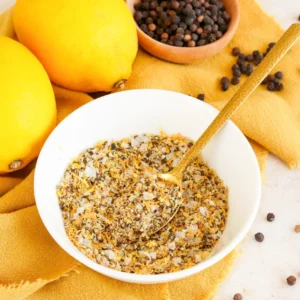
Lemon Pepper Seasoning Recipe – Homemade
Equipment
- Equipment Required for Lemon Pepper Seasoning Recipe
- You don’t need fancy kitchen tools to make the lemon pepper seasoning recipe. Just a few basics:
- Microplane or fine grater – to zest the lemons
- Baking sheet – for drying the lemon zest
- Parchment paper – to prevent sticking
- Spice grinder or clean coffee grinder – for grinding the zest and peppercorns
- Glass jar or airtight container – to store your finished seasoning
- Spoon and mixing bowl – to combine and stir ingredients
- Pro Tip: Keep a dedicated coffee grinder just for spices. It keeps your blends from tasting like espresso.
Ingredients
- Ingredients for Lemon Pepper Seasoning Recipe Simple + Smart Alternatives
- Making a homemade lemon pepper seasoning recipe only takes a few pantry staples and fresh lemons. The real magic comes from using the right ratios and drying the lemon zest the correct way.
- Main Ingredients
- Fresh lemon zest from 3–4 large lemons
- Whole black peppercorns – 3 tablespoons
- Coarse sea salt – 1 tablespoon optional but enhances flavor
- Garlic powder – 1 teaspoon adds a warm depth to the mix
- Alternative Ingredients You Can Use:
- Dried lemon peel store-bought – use 2 tablespoons instead of fresh zest if you’re short on time
- Pre-ground black pepper – not ideal but use 2 tablespoons if you don’t have whole peppercorns
- Onion powder – ½ teaspoon for added savory flavor
- Smoked paprika – ½ teaspoon if you want a smoky kick
- Pink Himalayan salt – for a subtle mineral note instead of sea salt
- Pro Tip: Always zest your lemons before juicing. Trying to zest a squeezed lemon is frustrating and messy.
Instructions
- Step-by-Step Instructions for the Best Lemon Pepper Seasoning Recipe
- Follow these detailed steps to make your own lemon pepper seasoning recipe at home using the healthiest and most reliable method: oven-dried lemon zest and fresh ground peppercorns. You don’t need a dehydrator or specialty equipment—just your oven and a little patience.
- Step 1: Wash and Dry Your Lemons Thoroughly
- Use 3 to 4 large lemons.
- Wash them under cold water and scrub the skins well to remove any wax or pesticide residue.
- Dry completely with a kitchen towel. Moisture can affect how the zest dries in the oven.
- Pro Tip: Organic lemons are best since you’re using the outer peel. If using conventional lemons, soak in vinegar-water for 5 minutes before drying.
- Step 2: Zest the Lemons Using a Microplane or Fine Grater
- Grate only the yellow outer layer of the lemon. Avoid the white part (pith) — it’s bitter.
- Zest directly onto a plate or parchment paper to collect the shavings cleanly.
- You’ll need about 2–3 tablespoons of zest total.
- Pro Tip: Zesting is easier with cold lemons, not room-temperature ones.
- Step 3: Spread Zest on a Baking Sheet Lined with Parchment
- Line your baking sheet with parchment paper (don’t skip this).
- Spread the zest in a very thin, even layer to ensure it dries evenly.
- Pro Tip: Don’t pile up the zest. Overlapping will create moisture pockets.
- Step 4: Oven-Dry the Lemon Zest at Low Temperature
- Preheat your oven to 170°F (75°C) or the lowest temperature it allows.
- Place the tray in the center rack.
- Bake the zest for 30–40 minutes, gently stirring halfway through.
- You’ll know it’s ready when:
- It feels dry and brittle to the touch.
- It has a strong lemon aroma but no visible moisture.
- Pro Tip: If your oven runs hot, crack the door slightly to reduce humidity.
- Step 5: Cool the Dried Zest Completely
- Remove the tray and allow the zest to cool for 10–15 minutes.
- This step is important—grinding hot zest will result in clumps.
- Pro Tip: Store some of the dried zest separately to add to teas or baked goods.
- Step 6: Grind Whole Black Peppercorns Until Fine
- Use a spice grinder or clean coffee grinder.
- Grind 3 tablespoons of black peppercorns until you reach your desired texture. Fine or slightly coarse both work well.
- Pro Tip: Whole pepper gives you more intense flavor and aroma than pre-ground.
- Step 7: Mix Your Lemon Zest and Ground Pepper Together
- Combine the cooled lemon zest and ground black pepper in a small bowl.
- Add 1 tablespoon of sea salt (optional but balances acidity).
- Stir well with a dry spoon until evenly mixed.
- Optional add-ins at this stage:
- 1 teaspoon garlic powder
- ½ teaspoon onion powder
- ¼ teaspoon smoked paprika (for depth and warmth)
- Pro Tip: Taste a pinch and adjust the balance to suit your preference.
- Step 8: Store Your Homemade Lemon Pepper Seasoning Properly
- Transfer the seasoning to a glass jar or airtight container.
- Label with the name and date.
- Store in a cool, dry place—away from light or steam.
- It will keep for up to 3–4 months, though it’s usually used up long before then!
Why Do People Love This Lemon Pepper Seasoning Recipe?
There’s a reason this seasoning has become a kitchen staple in households around the world. People love the lemon pepper seasoning recipe because it blends two simple ingredients — lemon and black pepper — into something that wakes up the palate. Here are a few more reasons:
- All-natural and preservative-free – Unlike store-bought versions loaded with anti-caking agents and artificial flavors, this one is clean and wholesome.
- Versatility – It works on chicken, fish, veggies, rice, eggs, popcorn, and even salad dressings.
- Bold yet balanced flavor – The citrusy punch of lemon meets the spicy heat of black pepper in a way that doesn’t overpower.
- Customizable – Add in garlic, onion powder, smoked paprika, or dried herbs to create a twist that fits your dish or mood.
- Cost-effective – It’s far cheaper to make at home, especially in bulk, and stores beautifully in airtight jars.
Most importantly, it gives home cooks control. You decide how tart, how spicy, and how bold you want it. That alone makes this homemade lemon pepper seasoning an essential part of any home chef’s arsenal.
Which Method Is Best for Making Lemon Pepper Seasoning at Home?
Out of all the ways to make this blend — fresh, dried, baked, or even sautéed — the healthiest and most effective method is the oven-dried technique using zested lemon peel and whole peppercorns. Here’s why:
- Drying lemon zest in the oven at a low temperature removes moisture naturally without using additives.
- You get maximum citrus oil retention, which enhances flavor without artificial enhancers.
- Grinding whole peppercorns ensures a fresher, bolder aroma than pre-ground pepper.
- It extends shelf life without refrigeration.
- The method allows you to make bulk quantities safely and efficiently.
We’ll walk through this method step-by-step so you can master it the first time.
| Crawfish Fettuccine Recipe – Quick At Home — A savory seafood pasta dish that’s ideal if you’re craving comfort food after enjoying your Frozen Coffee Recipe |
Total Cost by Serving Size – Lemon Pepper Seasoning Recipe
Whether you’re making a small batch for family dinners or preparing a bulk jar for weeks of cooking, understanding the cost per serving helps you plan ahead. Below is a detailed breakdown based on average U.S. grocery prices as of mid-2025.
Ingredient Cost Estimates (USD):
- 3–4 Lemons (for zest) – $1.20
- Whole black peppercorns (3 tbsp) – $0.90
- Sea salt (1 tbsp) – $0.10
- Garlic/onion powder (optional) – $0.20
Total base cost per full batch: $2.40
Yields about 25 servings (1 teaspoon each)
Cost Table by Servings
| Serving Size | Approx. Yield | Estimated Cost (USD) | Cost Per Serving |
| 5 servings | ~5 teaspoons | $0.50 | $0.10 |
| 10 servings | ~10 teaspoons | $0.95 | $0.095 |
| 15 servings | ~15 teaspoons | $1.45 | $0.096 |
| 20 servings | ~20 teaspoons | $1.95 | $0.097 |
Pro Tip: Making larger batches significantly lowers the cost per teaspoon, especially when buying peppercorns and lemons in bulk or on sale.
Why This Homemade Version Saves Money
Most store-bought lemon pepper blends cost $4–$6 for 3–4 oz, and they often contain fillers or preservatives. This homemade lemon pepper seasoning recipe offers:
- Higher quality ingredients
- Customizable flavor
- Fewer additives
- Up to 50% savings per ounce compared to pre-made blends
If you’re using it regularly, making it at home can save you $50–100+ per year.
Best Serving Methods for Lemon Pepper Seasoning Recipe
The beauty of this lemon pepper seasoning recipe is its incredible versatility. Once you make it, you’ll find yourself reaching for it in all kinds of dishes — savory, spicy, and even mildly sweet. Here are some of the best and most popular ways to use it:
- Sprinkle on grilled chicken or fish – Adds a bright, bold finish to lean proteins like salmon, tilapia, or chicken breasts.
- Toss with roasted vegetables – Especially good on carrots, broccoli, asparagus, or zucchini. Mix with olive oil first.
- Season homemade French fries or potato wedges – Shake it on right after frying or baking while the potatoes are hot.
- Blend into salad dressings or vinaigrettes – A teaspoon in lemon or vinegar-based dressings boosts acidity and flavor.
- Mix with butter for lemon pepper pasta – Combine 1 tsp of seasoning with 2 tbsp melted butter and toss with noodles.
- Use in marinades – Combine with olive oil and garlic to flavor meat or tofu before baking or grilling.
- Dust over popcorn – A pinch of this blend with melted butter makes a delicious snack twist.
Pro Tip: Lemon pepper pairs especially well with creamy sauces, citrus-based glazes, and anything that benefits from a little zest and kick.
| Baked Pork Riblets Recipe – Irresistibly Tender Easy & Quick Tender, juicy riblets made with healthy methods |
Mistakes to Avoid When Making Lemon Pepper Seasoning Recipe
Even though this recipe is simple, a few small missteps can change the quality of your final seasoning. Avoid these common mistakes to get the best flavor and shelf life:
Using Wet Zest Without Drying Properly
- Fresh zest straight into the mix will cause clumps, mold, and spoilage.
- Always dry the zest in the oven or air-dry for at least 12 hours.
Zesting Too Deep
- Avoid the bitter white pith. Only grate the yellow part of the peel.
- The pith adds an unpleasant flavor that can ruin the balance.
Using Pre-Ground Pepper
- Pre-ground pepper has less flavor and aroma.
- Grind whole peppercorns fresh for the strongest taste.
Skipping the Cooling Step
- Grinding hot or warm zest will trap moisture.
- Always cool completely before grinding and mixing.
Not Storing Properly
- Using containers that aren’t airtight leads to flavor loss.
- Keep in a sealed glass jar in a dark, dry place.
Pro Tip: Label your jar with the date. Homemade seasoning is best used within 3–4 months for maximum punch.
Pro Tips for Perfect Lemon Pepper Seasoning Every Time
Whether you’re making your first batch or your fiftieth, these pro tips will help elevate your seasoning game:
- Choose thick-skinned lemons – They produce more zest and stronger citrus oils.
- Grind in small bursts – Especially if using a coffee grinder, so the oils don’t heat up and get bitter.
- Add a pinch of citric acid – If you want extra tartness without additional moisture.
- Try a blend of black and white peppercorns – For a more complex, less harsh pepper flavor.
- Toast peppercorns first – Lightly toasting whole peppercorns for 1–2 minutes brings out smoky notes.
- Use in compound butter – Blend with softened butter and refrigerate for a flavorful spread.
- Double batch & gift – Homemade spice jars make great low-cost, high-quality gifts.
Taste and Flavor Variations – Lemon Pepper Seasoning Recipe
The classic lemon pepper seasoning recipe is made with just a few powerful ingredients: lemon zest, black pepper, and sometimes salt or garlic powder. But that’s only the beginning. You can easily twist this blend into dozens of exciting flavor profiles to suit different cuisines or recipe types.
Below are some creative and delicious variations, all of which are easy to prepare using the same oven-dried lemon zest base.
Garlic-Lover’s Lemon Pepper
Add:
- 1½ teaspoons garlic powder
- ½ teaspoon onion powder
Why It Works: Garlic intensifies the warmth of the blend, making it ideal for meats, stir-fries, or roasted potatoes.
Use this version on: Chicken wings, pasta, grilled mushrooms
Herbed Lemon Pepper
Add:
- 1 teaspoon dried thyme
- 1 teaspoon dried rosemary
- ½ teaspoon dried parsley
Why It Works: Herbs round out the blend and soften the acidity. This version feels more rustic and earthy, perfect for Mediterranean or French-style dishes.
Use this version on: Roasted chicken, vinaigrettes, rice pilaf, focaccia
Spicy Lemon Pepper
Add:
- ½ teaspoon crushed red chili flakes
- ½ teaspoon smoked paprika
- Optional: pinch of cayenne pepper
Why It Works: Adds heat and color to the classic blend. The smoky edge also balances well with lemon’s brightness.
Use this version on: Fish tacos, grilled shrimp, popcorn, spicy salad dressings
Citrus Explosion Blend
Add:
- 1 teaspoon dried orange zest
- 1 teaspoon lime zest
- ¼ teaspoon citric acid (optional for extra tang)
Why It Works: Boosts the citrus character for dishes where you want bold, fruity zest. Works great for summertime recipes or Caribbean flavors.
Use this version on: White fish, shrimp skewers, fruit salsa, grilled tofu
No Salt Lemon Pepper (Low Sodium Version)
Skip:
- Sea salt
Add:
- ¼ teaspoon ground celery seed (for salt-like aroma)
Why It Works: For those on a sodium-restricted diet, this version preserves all the flavor while keeping the blend completely salt-free.
Use this version on: Steamed vegetables, baked chicken, soups
Smoky BBQ Lemon Pepper
Add:
- 1 teaspoon smoked paprika
- ½ teaspoon ground cumin
- ½ teaspoon brown sugar
Why It Works: Combines the zing of lemon with sweet-smoky undertones, perfect for grilled dishes and BBQ rubs.
Use this version on: Ribs, pork chops, BBQ tofu, sweet potato fries
Sweet & Zesty Version (For Snacks)
Add:
- ½ teaspoon brown sugar
- ½ teaspoon onion powder
Why It Works: The sugar softens the bite, creating a kid-friendly or snack-focused flavor ideal for homemade chips and popcorn.
Use this version on: Kettle popcorn, pretzels, veggie chips, toast
Pro Tip: Always grind dried zest and added spices together for a uniform texture and flavor. And remember — start small with your first batch of any variation to find the right balance before scaling up.
How to Prepare Lemon Pepper Seasoning Recipe in Bulk (for Events or Restaurants)
If you’re planning a large event, running a meal prep business, or stocking up your restaurant pantry, making a bulk batch of lemon pepper seasoning can save time, reduce costs, and deliver consistent flavor across dishes. But it must be done correctly to preserve quality, safety, and shelf life.
Bulk Ingredient Ratios (Base Yield: 2 Cups)
This version makes roughly 2 cups of seasoning, good for 100+ servings. Multiply as needed.
- Fresh lemon zest (from 15–18 lemons) – about ½ cup before drying
- Whole black peppercorns – 1 cup
- Coarse sea salt – ⅓ cup (adjust to taste)
- Garlic powder – 1 tablespoon
- Optional: onion powder (1 tsp), crushed red pepper (1 tsp), dried herbs (2 tsp total)
Pro Tip: If using dried lemon peel (store-bought), use ⅓ cup as a substitute for the fresh zest. Still toast it briefly in a dry pan for aroma.
Step-by-Step Process for Bulk Preparation
Wash, Dry & Zest All Lemons
- Work in batches of 4–5 lemons at a time.
- Store fresh zest in a shallow tray covered with parchment while working.
Dry the Zest in Oven or Dehydrator
- Use multiple baking trays to spread zest in thin layers.
- Oven-dry at 170°F (75°C) for 40–50 minutes.
- For best results in bulk, use a commercial dehydrator at 95–100°F for 6–8 hours.
- Rotate trays halfway through for even drying.
Cool Completely
- Transfer dried zest to a tray or rack and let cool for 30 minutes.
- Moisture must be zero — this ensures long shelf life.
Grind Spices in Batches
- Use a large spice grinder, clean food processor, or commercial-grade coffee grinder.
- Do not overload — grinding in small batches prevents uneven texture and overheating.
Mix Everything in a Sterile Bowl
- Use gloved hands or a sanitized spoon to combine dried zest, pepper, and spices.
- Stir thoroughly to ensure even distribution.
Store in Food-Safe Containers
- Use glass jars with air-tight lids or vacuum-sealed pouches.
- Label each container with:
- Blend name
- Batch number
- Date
- Estimated best-by (3–4 months)
Keep in a Cool, Dark Pantry or Commercial Dry Storage
- Away from heat or light to avoid spice degradation.
- Avoid moisture at all costs — it ruins flavor and can cause spoilage.
Precautions for Bulk Production
- Sanitize all equipment before use.
- Avoid cross-contamination if preparing other spice blends.
- Use dedicated spice-only equipment (don’t grind coffee and lemon zest in the same unit).
- Always wear gloves during mixing and packing to reduce bacterial transfer.
- For commercial kitchens: Follow local food safety regulations, including labeling and HACCP standards if distributing.
Pro Tip: Don’t pre-mix more than 3–4 months’ worth. Freshness fades over time, especially in high-citrus blends.
Nutrition Information – Lemon Pepper Seasoning Recipe
Since this lemon pepper seasoning recipe contains only natural, low-calorie ingredients and no added preservatives, it’s a healthier choice than most store-bought blends. Below is the estimated nutrition breakdown based on the standard recipe (no sugar or optional spices added).
Nutritional Values (Per Serving & Per 100g)
| Nutrient | Per 1 Teaspoon (3g) | Per 100g |
| Calories | 8 kcal | 270 kcal |
| Total Fat | 0.3 g | 9.4 g |
| Saturated Fat | 0 g | 0.5 g |
| Sodium (with salt) | 140 mg | 4650 mg |
| Carbohydrates | 1.6 g | 54 g |
| Sugars | 0.2 g | 6.5 g |
| Fiber | 0.6 g | 20 g |
| Protein | 0.3 g | 10 g |
| Vitamin C | Trace | Trace |
| Calcium | 5 mg | 160 mg |
| Iron | 0.1 mg | 3.5 mg |
Values may vary slightly depending on ingredient sources and measurement accuracy.
Calorie Count by Main Ingredients (Per Batch)
Here’s a look at the estimated calorie contributions from each main ingredient in one full batch (about 25 servings):
- Lemon zest (from 3–4 lemons) – ~30 kcal
- Whole black peppercorns (3 tbsp) – ~80 kcal
- Sea salt (1 tbsp) – ~0 kcal (no calories)
- Garlic powder (1 tsp) – ~10 kcal
Total Calories (entire batch): ~120 kcal
Per teaspoon serving (avg.): ~4–8 kcal, depending on mix-ins
Why This Seasoning Is a Smart Nutrition Choice
- Low in calories – Only 8 kcal per serving
- No sugar, no fat (unless modified)
- No preservatives or artificial flavors
- Gluten-free & vegan-friendly
- Naturally low-sodium version possible by removing salt
- Rich in antioxidants from black pepper and lemon peel oils
Pro Tip: This seasoning can help you reduce salt and fat in your meals by boosting natural flavor with minimal calories.
| Vanilla Paste Recipe – Bold, Homemade & Easy — Learn how to make rich vanilla paste at home—perfect to add depth to your Frozen Coffee Recipe or future coffee creations |
Lemon Pepper Seasoning Recipe Can Spoil Without Proper Drying
One common mistake is not drying the lemon zest fully before mixing it with other spices. If the zest holds even a little moisture, the whole blend can clump, mold, or spoil within days. Many recipes skip this detail or give vague instructions. For a safe and long-lasting lemon pepper seasoning recipe, always oven-dry at a low temperature until the zest is brittle to the touch. Even air drying can fail in humid environments. Skipping this step can result in wasted ingredients and potential food safety issues, especially if you’re storing or selling in bulk.
Not All Lemons Work the Same in a Lemon Pepper Seasoning Recipe
Another issue rarely addressed is the type of lemons you use. Not all lemons provide the same level of flavor or oil content in the zest. Thin-skinned or waxy lemons (often imported ones) give less zest and may have a bitter aftertaste. For the best lemon pepper seasoning recipe, use thick-skinned, fresh, organic lemons whenever possible. They provide more vibrant citrus oils and reduce the risk of adding chemicals or artificial coatings. Pre-waxed lemons can also interfere with zest drying unless thoroughly scrubbed, something few recipes mention at all.
The Flavor Can Fade Fast in Homemade Lemon Pepper Seasoning Recipe
Many assume that once you make this lemon pepper seasoning recipe, it will stay fresh for months like a store-bought product. That’s not true. Because it’s made with real, dried citrus oils, the flavor begins to fade after 3 to 4 weeks, even in airtight storage. Unlike commercial blends, homemade versions contain no preservatives or anti-caking agents. For optimal taste, store it in a dark glass jar and use within 2 to 3 months. Most people never tell you that bulk-prepping lemon-based blends requires careful timing to avoid disappointing results.
You Might Be Overdoing the Black Pepper in Your Lemon Pepper Seasoning Recipe
The name may suggest equal parts lemon and pepper, but too much black pepper can make your lemon pepper seasoning recipe too harsh or bitter, especially if you’re using coarse or freshly toasted peppercorns. Beginners often assume more is better, but balance is key. Start with a 2:1 ratio of pepper to zest, and adjust from there. Grinding too fine or using low-quality pre-ground pepper can also dull the flavor. A blend that’s too spicy can overpower delicate dishes like fish or steamed vegetables, defeating the purpose of adding bright citrus flavor.
Final Thoughts on the Lemon Pepper Seasoning Recipe – Homemade
This lemon pepper seasoning recipe may seem simple at first glance, but its flavor, versatility, and freshness make it one of the most essential spice blends you can keep in your kitchen. With just a few natural ingredients, you can create something that not only enhances everyday meals but also supports healthier cooking without preservatives or artificial flavors. By using oven-dried lemon zest and freshly ground peppercorns, you get a powerful blend that outshines any store-bought version in both taste and quality.
What sets this recipe apart is its flexibility — whether you’re preparing a quick dinner, seasoning meal prep bowls, or scaling up for a catering job, the lemon pepper seasoning recipe adapts to your needs. From zesty garlic twists to smoky BBQ versions, the customizations are endless.
Once you try it, you’ll never want to go back to shelf-brand spice jars again. Instead, you’ll be reaching for your homemade blend with pride, knowing exactly what’s in it — and knowing it came from your own hands.
Want More Like This?
If this recipe brought comfort to your table, don’t forget to:
- Bookmark the page
- Share it with friends
- Leave a comment or tip for others
- Explore more easy homemade recipes on TastyShade
FAQ’s
What is the Lemon Pepper Seasoning Recipe made of?
The lemon pepper seasoning recipe is made from dried lemon zest, freshly ground black pepper, and optionally garlic powder and sea salt. Some variations include onion powder or dried herbs for extra flavor.
Is homemade Lemon Pepper Seasoning Recipe better than store-bought?
Yes, the homemade lemon pepper seasoning recipe is fresher, cleaner, and contains no preservatives or artificial flavors. You get stronger citrus flavor and better control over the salt and spice levels.
Can I use bottled lemon juice in a Lemon Pepper Seasoning Recipe?
No, bottled lemon juice won’t work in a lemon pepper seasoning recipe because it lacks the oils and aroma found in lemon zest. You need the peel’s natural oils for that strong citrus punch.
How do I dry lemon zest for the Lemon Pepper Seasoning Recipe?
To dry zest for the lemon pepper seasoning recipe, spread fresh zest on parchment and bake at 170°F (75°C) for 30–40 minutes, or use a dehydrator. The zest must be brittle and fully dry.
How long does Lemon Pepper Seasoning Recipe last in storage?
The lemon pepper seasoning recipe stays fresh for 2 to 4 months when stored in an airtight jar, away from heat and moisture. For best flavor, use it within the first 30 days.
Can I make a salt-free Lemon Pepper Seasoning Recipe?
Absolutely. To make a salt-free lemon pepper seasoning recipe, skip the salt and optionally add celery seed or garlic for balance. This version is ideal for low-sodium diets and heart-healthy meals.
What dishes go best with Lemon Pepper Seasoning Recipe?
This lemon pepper seasoning recipe works well with grilled chicken, roasted vegetables, seafood, pasta, popcorn, and even salad dressings. Its versatility makes it a pantry staple for many cooks.
Why does my Lemon Pepper Seasoning Recipe taste bitter?
A bitter lemon pepper seasoning recipe usually results from zesting too deep and including the white pith. Only use the yellow outer layer of the lemon peel and avoid over-toasting the zest or pepper.
Can I double or triple the Lemon Pepper Seasoning Recipe for bulk use?
Yes, the lemon pepper seasoning recipe scales up easily. Just maintain the same ingredient ratios and ensure the zest is fully dried before grinding. Store bulk batches in airtight containers.
Is the Lemon Pepper Seasoning Recipe gluten-free and vegan?
Yes, the lemon pepper seasoning recipe is naturally gluten-free and vegan as it contains no grains, dairy, or animal products. Just ensure that all ingredients, especially spice powders, are certified gluten-free if needed.

That lemon pepper seasoning really makes the flavors pop. Delicious.
So simple yet so tasty. Lemon pepper takes it to the next level
Bursting with flavor, So Good!